History
Seven centuries of Trolleberg.
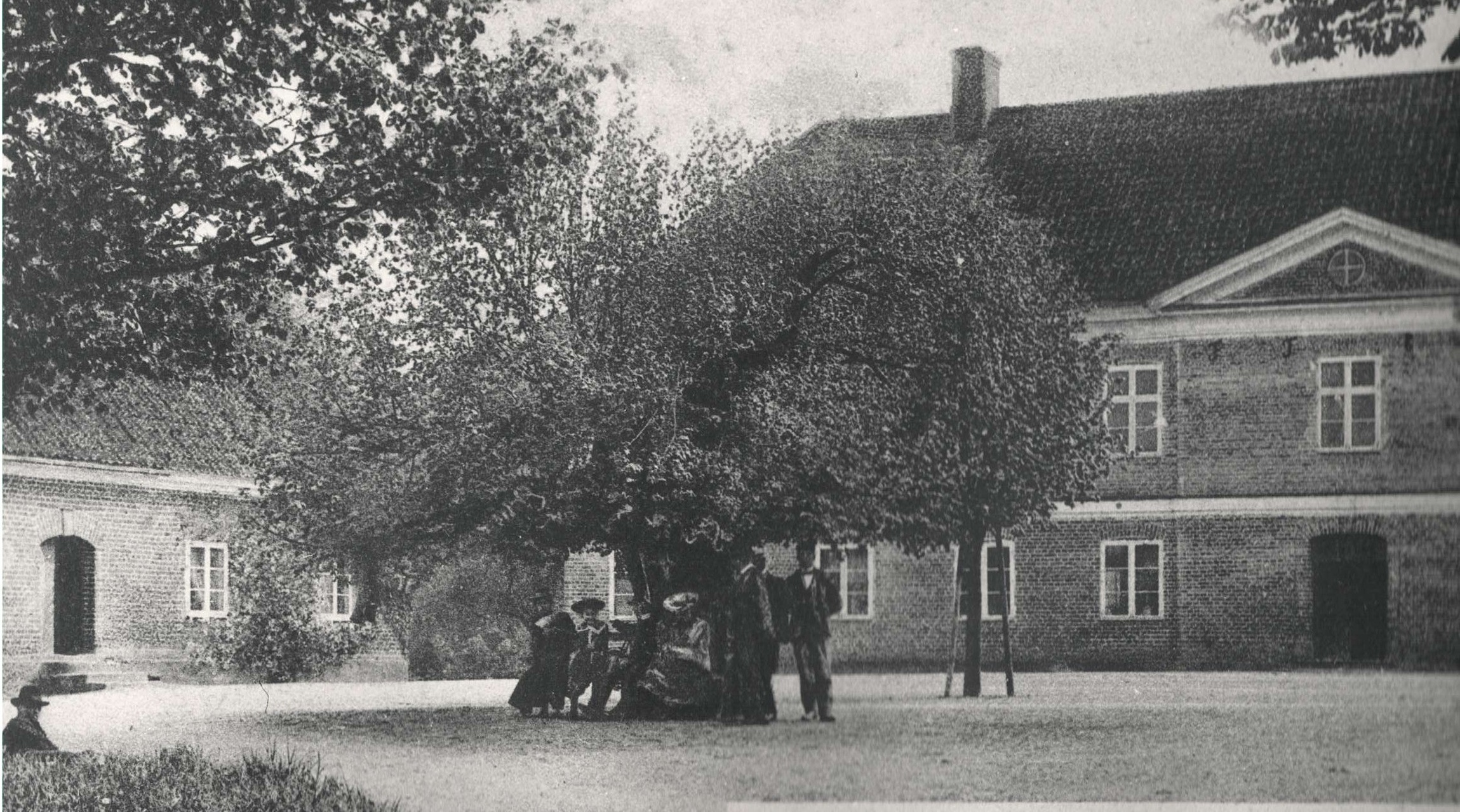
The main building at Trolleberg, early 20th century.
1331
Trolleberg, originally called Värpinge, is donated to the Lund cathedral chapter.
1572
After coming under the Danish crown during the Reformation, Trolleberg is pledged to Lave Brahe's widow, Görvel Fadersdotter (Sparre).
1601
Görvel Fadersdotter donates Trolleberg to Christian IV. Trolleberg is owned in turn by Tage Ottesson Thott, known as “the Scanian king”, Bishop Peder Winstrup of Lund and his son-in-law Casper von Böhnen.
18th century
Casper's widow sells Trolleberg to Lieutenant Colonel Fredrik Trolle. During Fredrik Trolle's ownership, the present main building is erected and the estate is converted into an entailed estate under the name Trolleberg. Trolleberg then passes to Fredrik Trolle's second daughter, Hilla Birgitta (1727–1808), married to Count Fredrik Georg Hans Carl Wachtmeister af Johannishus (1720–1792). As holder of the entail, he adopts the name Trolle-Wachtmeister according to his father-in-law's stipulations. Trolleberg is held by the Lord High Steward Carl Axel Trolle-Wachtmeister and thereafter by his son, His Excellency Hans Gabriel Trolle-Wachtmeister.
1830
Hans Gabriel Trolle-Wachtmeister moves the entailment from Trolleberg to Trolle-Ljungby.
1951
Knut Wachtmeister, a descendant of the first holder of the entail, becomes the owner of Trolleberg manor. Knut Wachtmeister lived on the estate until his death in 2017.
Today
Trolleberg is owned by Knut's son Carl-Johan. The farmland is leased to two farmers. The estate is home to a small business village with both business-to-business and retail companies.